


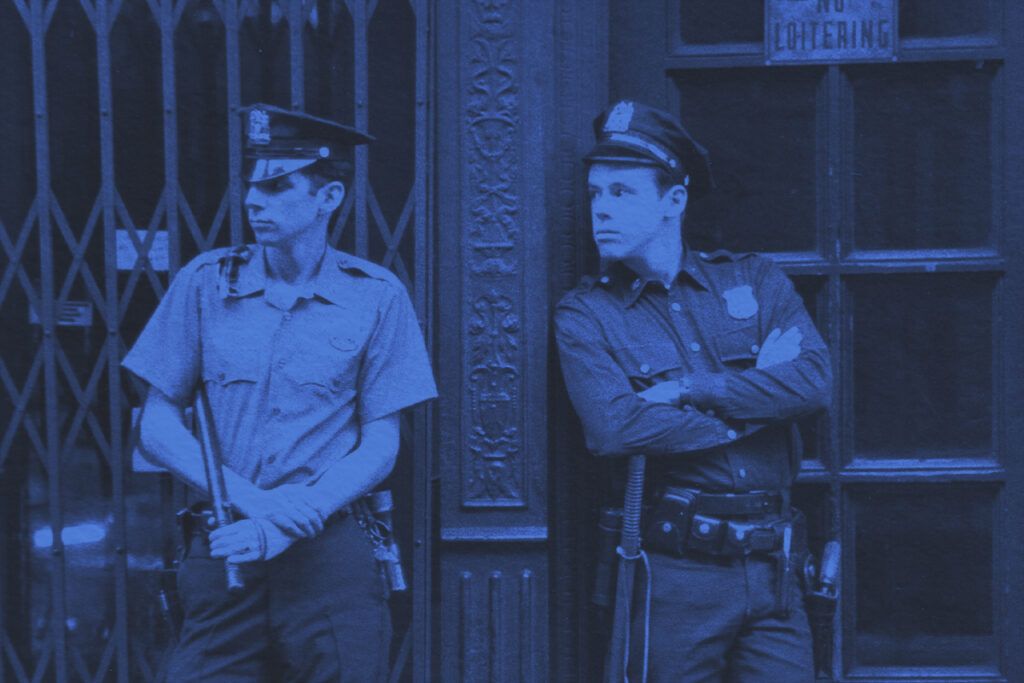
When a person enters a room making more noise than a jet engine running at full power, you may say they “came on like gangbusters.” This phrase is used to describe situations where people act overly energetic and sometimes aggressive. The idiom originated in the world of radio, specifically a dramatic radio program called Gang Busters that ran from 1936 to 1957.
However, the term “gangbuster” actually predates the radio show by a few years. It was coined around 1930 to refer to law enforcement officers who were renowned for breaking up gangs associated with organized crime. Then in the mid-1930s, the radio program Gang Busters, one of the first police dramas, hit the airwaves. The plot focused on telling true-crime stories, capitalizing on a burgeoning societal interest in law enforcement.
The idiom “come on like gangbusters” developed from the sounds of the radio program. Each episode started with a cacophony of gunshots, sirens, jarring musical stings, screams, and other raucous sounds. And because the show had such a wide audience, the phrase transcended the medium and was adopted as a general term for behaving in a rowdy manner.
Today, “gangbuster” has evolved to also be used as an adjective meaning “outstandingly excellent or successful.” This meaning is likely derived from the original definition of the term, referring to those who successfully broke up criminal syndicates.
The lasting appeal of the phrase “like gangbusters” goes to show just how popular radio was as an entertainment medium in the early to mid-20th century, and how the programs made a lasting impact on contemporary society.
More from our network
Word Smarts is part of Inbox Studio, which publishes content that uplifts, informs, and inspires.