


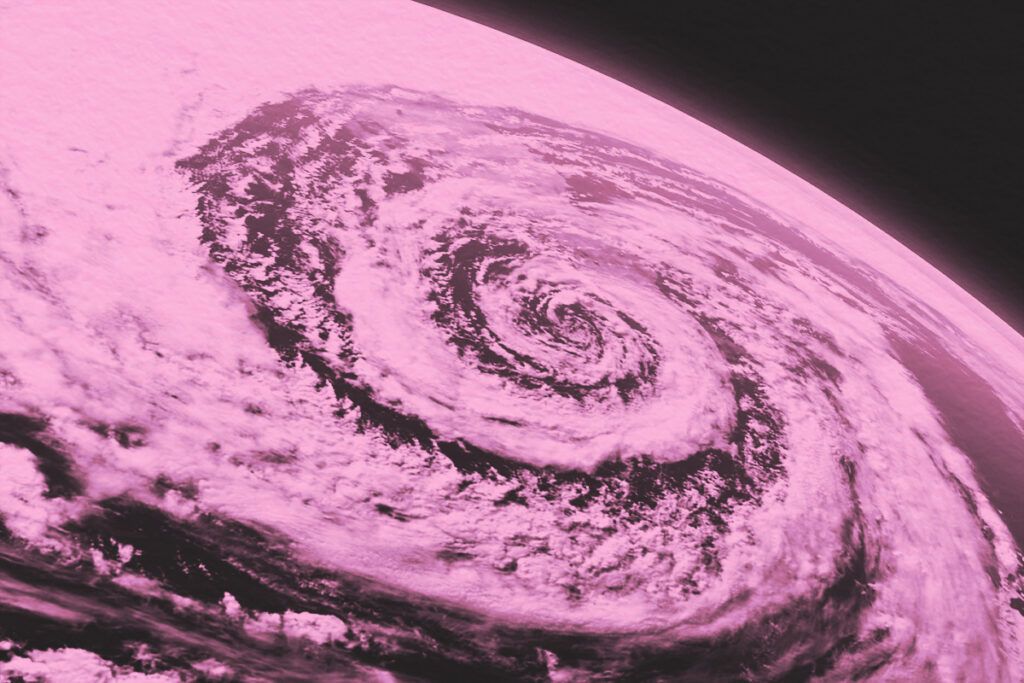
The phenomenon called El Niño is an irregular weather pattern where water surface temperatures rise in the Pacific to be warmer than is typical. The water is pushed toward the American West Coast, causing the northern U.S. to be dryer and warmer than normal, while the southern U.S. ends up wetter and more prone to flooding. These details fascinate climatologists, but there’s something else of interest for curious etymologists.
El Niño was initially the name of a similar, albeit more consistent weather pattern than the erratic system we know today. In the 1600s, South American fishermen began noticing that each year around Christmas, warmer currents would strengthen and flow down the coast. These warmer waters affected fishermen because they resulted in reduced catches.
In the 19th century, Peruvian fishermen coined the term El Niño de Navidad, or just El Niño, as a name for these warmer, seasonal ocean currents. In Spanish, el niño means “the boy,” though in this case it referred specifically to Jesus Christ. This association was formed because the waters reached peak warmth around December, when people in these religious South American cultures celebrated the birth of Christ.
As scientists began to study these warm ocean currents, the name El Niño shifted away from describing an annual phenomenon. Instead, it was adopted as a name for the erratic weather patterns that we associate El Niño with today.
In addition to El Niño, there’s also La Niña, meaning “the girl” or “little girl” in Spanish. To climate scientists, La Niña refers to the opposite type of weather pattern from El Niño. During periods of La Niña, warm water is pushed toward Asia rather than to the Americas, which means colder water temperatures along the American West Coast.
More from our network
Word Smarts is part of Inbox Studio, which publishes content that uplifts, informs, and inspires.