


Whether through the hard work of chefs or a random craving that leads to a new recipe, food innovation is a constant. The favorite cake of a ruler can become a well-known representation of a city or country, while a restaurant that invents a specific dish may become a hot spot for that pasta.
Chefs and rulers are common sources of inspiration for naming dishes, but we can also credit botanists and hobbyists for naming grocery store staples. (Have you purchased a “Hass” avocado?) Knowing where our food came from provides us with connection to history. No matter how different cuisine was 10, 100, or even 300 years ago, there are some things that last.
Pizza Margherita
This pizza notably replicates the colors of the Italian flag with red tomatoes, white mozzarella cheese, and green basil. Though many claim to have created it, the most reputable story is that chef and tavern owner Raffaele Esposito took a stab at it in 1889. He presented it to the new wife of King Umberto I, Queen Margherita of Savoy, when she was visiting Naples. Esposito is credited as creating the modern version of pizza, and Naples is still the place to go to get authentic Margherita pizza.
Princess Cake
Many people were introduced to this confection through an episode of The Great British Bake Off, but the cake is of Swedish origin. The prinsesstårta is a layer cake with vanilla custard cream, vanilla cake, raspberry jam, and whipped cream, all covered in green marzipan and decorated with a delicate pink candied flower. Jenny Åkerström, teacher and headmistress at a Swedish home economics school, published a cookbook in 1948 called Prinsessornas kokbok (The Princess’ Cookbook), which collected this and many other recipes inspired by princesses, including Crown Princess Ingrid of Denmark, Princess Margaretha of Denmark, Crown Princess Märtha of Norway, and Crown Princess Astrid of Belgium (who were all born as Swedish princesses).
Victoria Sponge
Queen Victoria follows only Queen Elizabeth II in terms of the length of their reigns over the United Kingdom, so it was inevitable that she would leave her stamp on some beloved foods of the country. The Victoria sponge, or Victoria sandwich cake, consists of two layers of pound cake with jam slathered between them, topped with powdered sugar. It was one of Queen Victoria’s preferred cakes to have with tea. Contemporary versions usually include cream alongside the jam.
Kung Pao Chicken
A staple of American Chinese restaurants, this chicken dish is rumored to date back to the Qing dynasty, which reigned from the 1600s until 1912. Ding Baozhen, governor of the Sichuan province from 1876 to 1886, is the inspiration for the name. He held the title Gōng Bǎo (宮保), meaning “palace guardian,” which was Americanized into “Kung Pao.”
Beef Wellington
The Duke of Wellington, Arthur Wellesley, of notable Battle of Waterloo fame, is thought to be the inspiration for the name of this dish featuring beef wrapped in a puff pastry. However, food historians claim they can’t find a similar recipe in British or French cookbooks before the 20th century. The dish became popular in America in the 1960s and 1970s.
Bibb Lettuce
The leaves of Bibb lettuce, a type of butter lettuce, are soft to the touch and have a light color on the inside. The greens are named for John Bibb, a lawyer in Frankfort, Kentucky, who grew new vegetable varietals in his backyard. Though he invented and grew the lettuce in the 1860s, it wasn’t commercially produced or available until a few decades later.
Russet Burbank Potato
You’ve definitely eaten this type of potato, also known as the Idaho potato, as it’s the base for many fast-food french fries around the United States. Self-taught plant breeder Luther Burbank unlocked this discovery in 1871. The potato was so hearty and resistant to disease that shipments of it were exported to Ireland, which was still reeling from the recent potato famine in the 1840s.
Hass Avocado
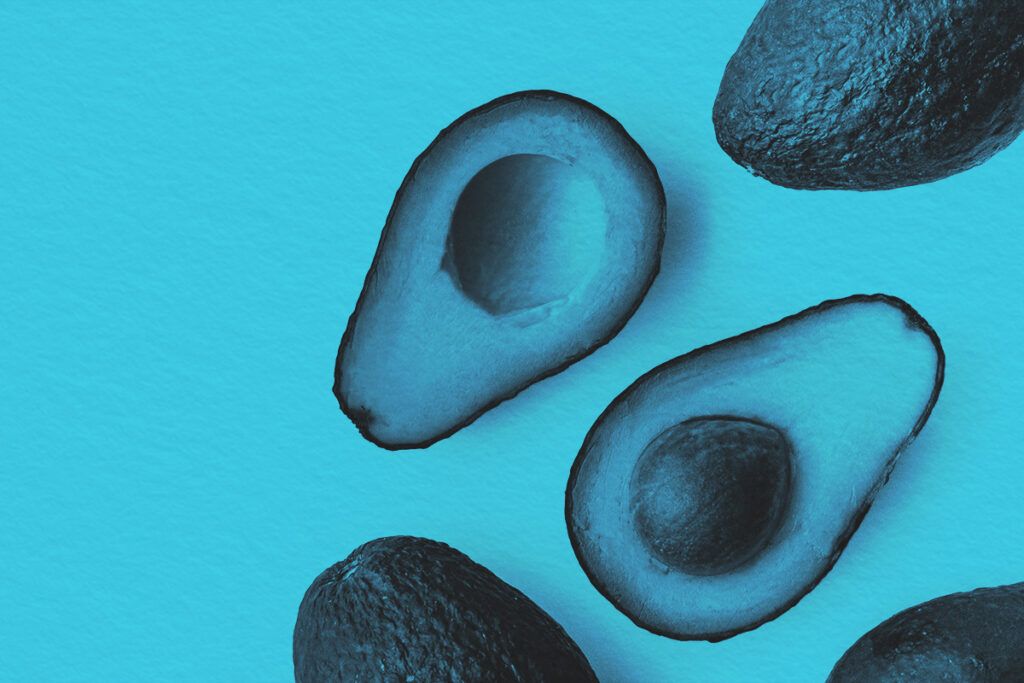
This particular type of avocado makes up 75% of avocado production in the United States. A postman named Rudolph Hass started experimenting on avocados in California in 1926. He successfully grew a new type of avocado tree that produced more fruit than the Fuerte varietal he started with, and he got a patent for the breed in 1935. We have him and his backyard to thank for the popularity of avocado toast.
Fettuccine Alfredo
The original recipe for fettuccine Alfredo was much simpler than the current version. There’s a 16th-century recipe called “Roman macaroni” that includes pasta, butter, and “good cheese.” However, the recipe was perfected in 1908 by restaurant owner Alfredo Di Lelio at Ristorante Alfredo alla Scrofa in Rome.
Nachos
This sports bar staple originated in Mexico in 1943. Ignacio “Nacho” Anaya García was a maître d’ at Club Victoria in Piedras Negras, which hosted American soldiers from Fort Duncan, just over the border in Texas. One day, Ignacio had to serve a group of military wives, but the cook was out, so he quickly whipped up a simple dish: He cut tortillas into triangles, covered them in cheese and jalapenos, and served them to the group to share. Game-day parties are forever in debt to Nacho.
Eggs Benedict
There are a few competing stories for the invention of eggs Benedict. Lemuel Benedict, a stockbroker, claimed that while nursing a hangover he spontaneously ordered poached eggs on an English muffin with hollandaise and bacon at the Waldorf-Astoria Hotel in 1894, and the dish was so popular that it was added to the hotel’s permanent menu. However, Charles Ranhofer, then the head chef of the famed New York steakhouse Delmonico’s, laid claim to the recipe as his, dating back to the 1860s. He published it officially in 1894, called Eggs la Benedick, named in honor of a frequent guest of the restaurant, Mrs. LeGrand Benedict.
Caesar Salad
Some people mistakenly peg the name of this salad to the Roman emperor Julius Caesar. However, it actually came out of 20th-century Mexico. Caesar Cardini was an Italian restaurateur living in Tijuana in the 1920s. The recipe was reportedly invented on July 4, 1924, when hungry (and thirsty) Americans came across the border to dine without Prohibition restrictions. Rosa Cardini, the restaurateur’s daughter, claims they were running low on ingredients that busy night and the recipe for Caesar salad came out of necessity. Cardini’s restaurant is still in business, and it continues to make more than 300 Caesar salads daily.
Reuben Sandwich
This hearty sandwich is an undertaking to eat. It’s made of rye bread topped with corned beef, Swiss cheese, sauerkraut, and Russian dressing. In what could be a case of parallel thinking, a few people claim to be the inventors of the sandwich. Reuben Kolakofsky claimed he attended a poker game at a hotel in Omaha, Nebraska, in the 1920s and asked for this exact sandwich. However, Arnold Reuben owned Reuben’s Delicatessen and claimed the sandwich originated with his “Reuben special” in 1914.
More from our network
Word Smarts is part of Inbox Studio, which publishes content that uplifts, informs, and inspires.