




The holidays are here, which means it’s time to count down the days on an Advent calendar and light the Yule log. We spend a lot of time throughout the year thinking about where words come from and why we say the things we say, and Christmastime is no different. “Santa Claus” and “Christmas” are obvious entries on the vocabulary list, but how did “poinsettia” and fruitcake” end up as such important parts of the holiday? We’ve done some research to explain the origin of some classic Christmas terms and help you spread a little more holiday cheer and knowledge.
Waiting can be the hardest yet most exciting part of the holidays. The term for the season leading up to Christmas comes from the Latin word adventus, which means “a coming, approach, or arrival.” In relation to the Christian holiday of Christmas, it refers to “the coming of the savior,” but in the 1700s, the word took on an additional secular meaning. When it’s not used as a proper noun to refer to “the period beginning four Sundays before Christmas,” “advent” can refer to any noteworthy arrival.
While the official holiday lands on December 25, people often use the term to refer to the general season of festivities in December. The word “Christmas” is a combination of the phrase “Christ’s mass.” Jesus is often referred to as Christ, the Greek word for the Hebrew term “Messiah,” which means “anointed one.” In Middle English, “Christenmas” or “Christian mass” also would have been used. “Christmas” is often abbreviated as “Xmas,” which traces back to “X” as an ancient symbol for Christ, stemming from the Greek letter chi being written as X.
The big guy in the red suit goes by many names — St. Nick, Kris Kringle, or Father Christmas — but the most famous name in America is Santa Claus. The legend of Santa Claus is based on a Christian figure named St. Nicholas. In the Netherlands, St. Nicholas is known as Sinterklaas — he wears a red garment, has a book that tells him which little girls and boys were good and bad during the year, and brings oranges for the good children. (He’s also tall and gaunt, rides a horse, and kidnaps the bad children, but some elements of the story don’t translate.)
The story of Sinterklaas was brought to America by 17th-century Dutch immigrants and eventually Americanized, turning him into Santa Claus — a jolly, fat, bearded man who wears a red suit, drives a sleigh pulled by reindeer, and brings presents to children on Christmas. The myth (and name) of Santa Claus was solidified in the 20th century thanks to modern marketing, such as Coca-Cola’s iconic 1931 advertising campaign featuring a red-cheeked, cheery Santa.
“Here we come a-wassailing among the leaves so green … Love and joy come to you, And to you your wassail too …” The lyrics of this classic Christmas carol might not make much sense to modern singers, but back in the day, “wassail” referred to a spiced alcoholic beverage enjoyed during Christmas celebrations. The term comes from the 12th-century Old Norse phrase ves heill, which translates to “be in good health.” The practice of going door-to-door wassailing (caroling and having a good time) began around the 1700s.
This beautiful red-leafed floral got its name from the U.S. ambassador to Mexico in the 1830s. Joel Roberts Poinsett was also a botanist who started shipping these scarlet florals back to his home in South Carolina. Another botanist friend exported the flowers to Europe and named them “Euphorbia Poinsettia” in honor of the ambassador. Due to Poinsett’s problematic history, some have advocated for calling the plant by alternative names. The Nahuatl name for the plant is cuetlaxóchitl, meaning “a flower that withers.” Seventeenth-century Franciscan friars named it “flor de Nochebuena,” or “holy night flower,” because of when it flowers. If you want to bring one into your home at Christmastime, keep them away from any pets, as the sap in the leaves and stems is toxic to your cats and dogs.
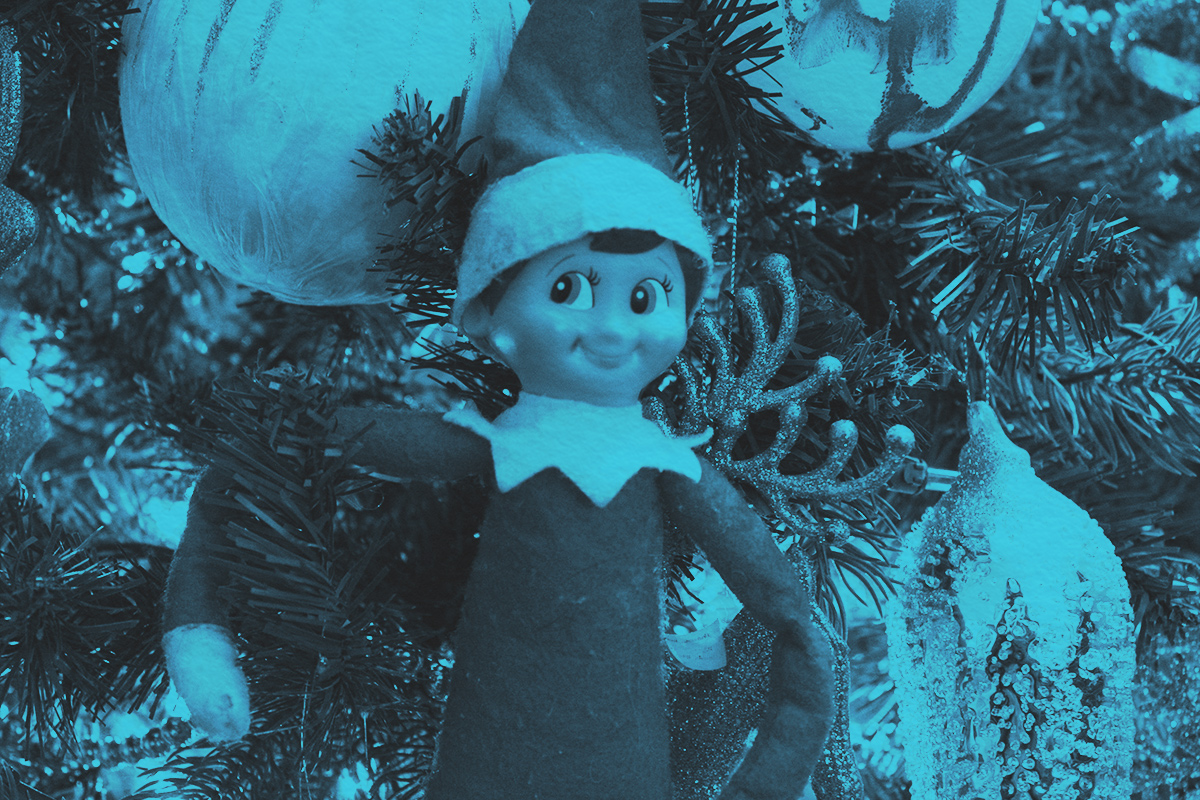
The name for Santa’s helpers comes from the Old English word ælf. Similar terms in Old Norse and Germanic languages translate to “evil spirit” — originally, elves were thought of as magical tricksters. Christmas elves, which became popularized in stories from the late 1800s, are much handier to have around when it’s time for Santa to make presents.


In Old Norse mythology, Jól is a pre-Christian feast involving the god Odin. Vikings would celebrate Jól as a three-day pagan festival, beginning on the solstice in mid-to-late December. Later, the term was adopted by Christians to refer to a 12-day period after Christmas as an effort to assimilate pagan holidays into Christianity.
More from our network
Word Smarts is part of Inbox Studio, which publishes content that uplifts, informs, and inspires.