


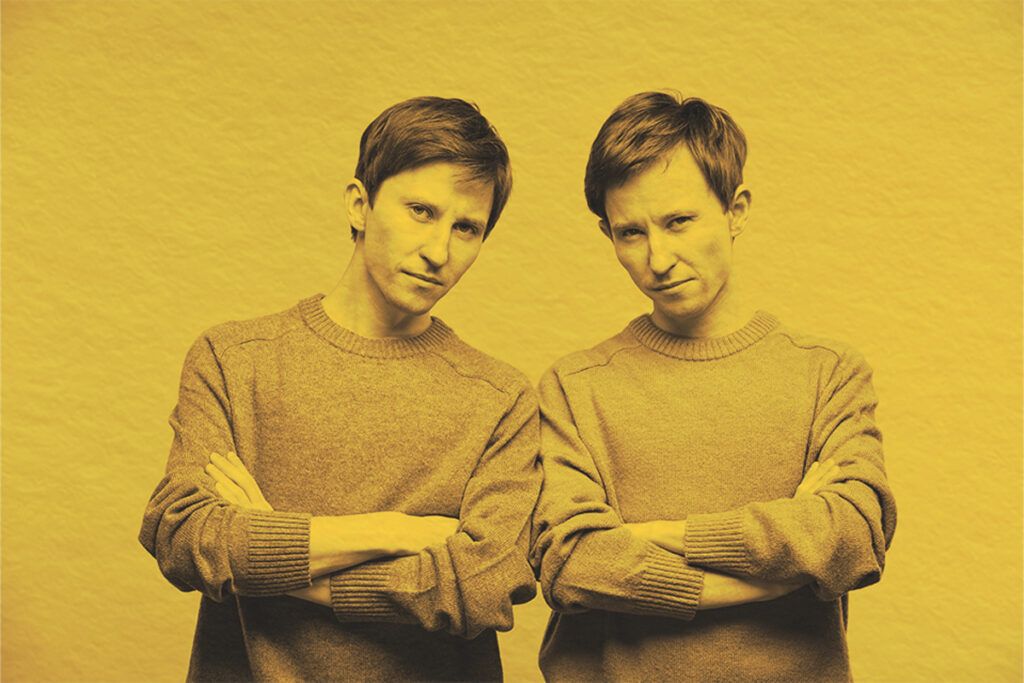
Picture a child and parent who look exactly alike, to the point where a photo of the parent at the child’s age could be mistaken for a current shot. You might call the child the spitting image of their parent. This idiom, meaning “someone or something that looks very much like someone or something else,” has murky origins. It most likely dates to the 16th century, when it was said that a child with a strong family resemblance was “spit out of their parents’ mouth.” This concept appears in William Charke’s An Answeare for the Time from 1583: “… as like the papists, as if they had beene spit out of their mouthes.”
By the early 19th century, people had taken this metaphor and altered it ever so slightly. It was common to say that someone was “the spit of …” if they looked like someone else, as in, “She was the spit of her father.”
Around the mid-19th century, the phrase “spit and image” began popping up in text. As with “spit of,” you might have said that a child was “the spit and image of their parent.” Before long, “spit and image” turned into the phrase “spitten image,” and by the end of the 19th century, “spitten image” became “spitting image,” giving us the phrase we know today.
But as is the case with so many idioms, the origin isn’t set in stone, and there are potential alternatives. In this case, it could come from the phrase “spirit and image,” which was first used among African Americans during the 19th century, with the same meaning as “spit of” and “spitten.”
Another suggested origin story is that “spitting image” is derived from “splitting image,” as in something that’s been split into two identical halves. However, there’s no written evidence of “splitting image” appearing in text until the 20th century. It’s entirely possible for it to have been said aloud before then, but it’s more likely that “splitting image” came about as an alteration of “spitting image,” with an apt meaning behind it.
More from our network
Word Smarts is part of Inbox Studio, which publishes content that uplifts, informs, and inspires.