




The classic Gershwin brothers song “Let’s Call the Whole Thing Off” highlights different acceptable pronunciations of common English words. The lyrics contrast “to-MAY-to” with “to-MAH-to,” “pih-JAY-mas” with “pih-JAH-mas,” and “OY-sters” with “ER-sters.”
So why do some words have multiple acceptable pronunciations? The answer involves an understanding of English spoken in the American colonies more than 200 years ago and the historical expansion of settlements in America.
Many words that we still use regularly are affected by the differences in English from that time (or even earlier). Consider the options for “pecan,” “data,” “either,” “coupon,” “route,” “adult,” “almond,” “apricot,” “envelope,” “jewelry,” and “leisure.” Each of these has more than one acceptable pronunciation, and it usually affects the vowel.
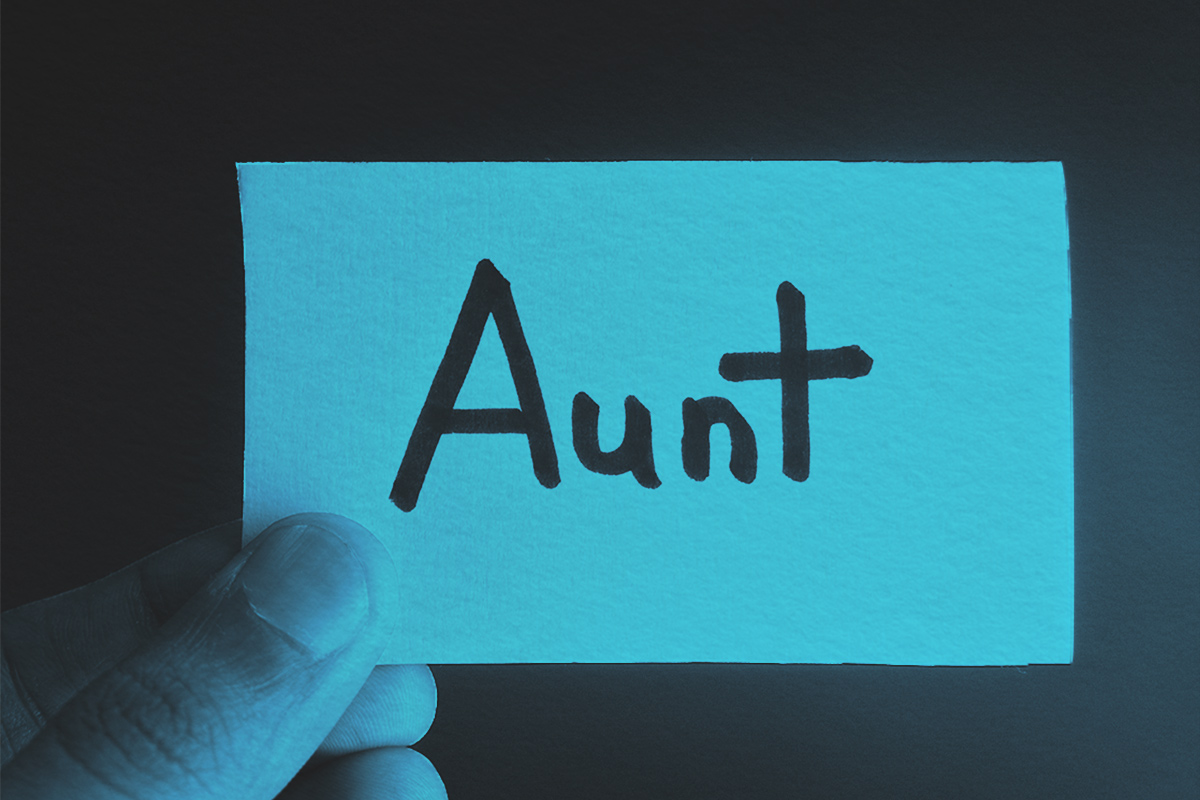
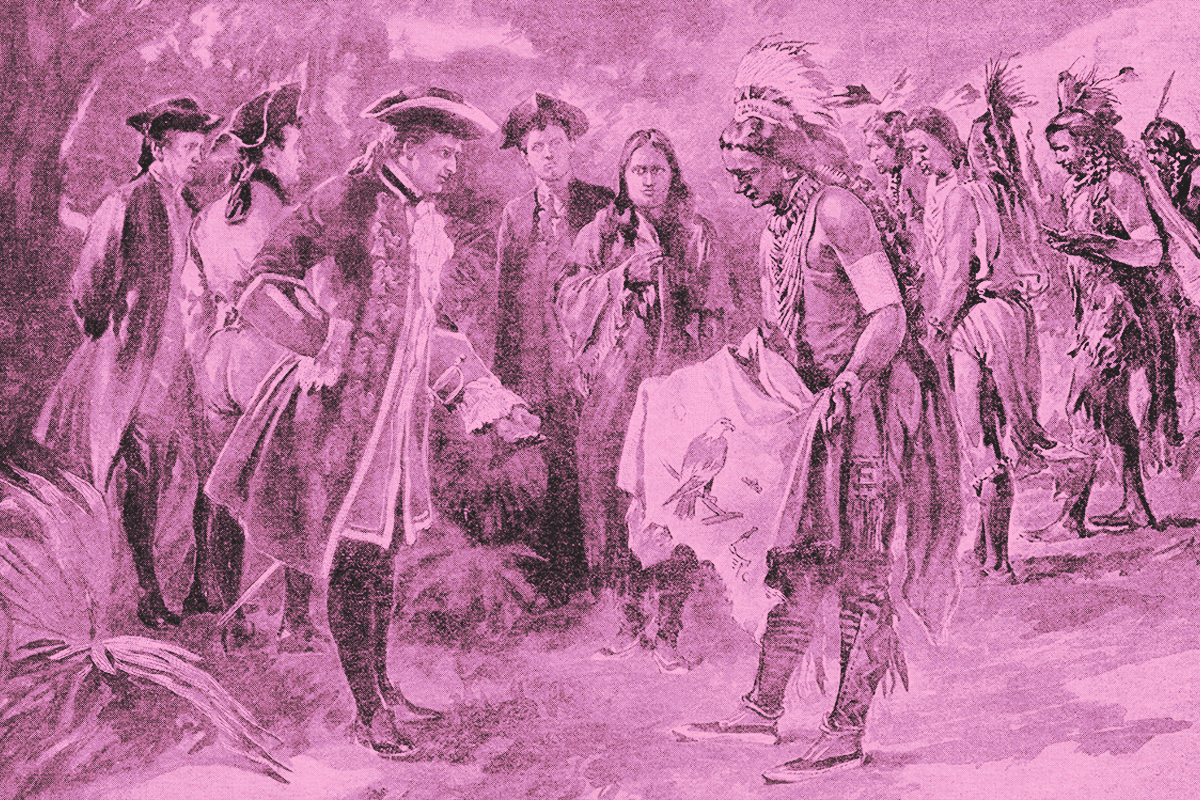
The great majority of settlers in the original 13 colonies were from the British Isles. They brought with them their traditions, customs, and way of speaking. For example, the pronunciation of “aunt” as “ahnt” is a holdover from that British influence, indicating a higher social status and stronger ties to England. During westward expansion, “ant” evolved as a more casual, simplified pronunciation.
Similarly, consider the “t” in “often.” Even though it was pronounced in Middle English, Queen Elizabeth didn’t pronounce that “t,” so the “offen” pronunciation was adopted as the standard, first by the upper class and then in 17th-century British English. That pronunciation was carried over to the American colonies.
As British settlers and their offspring expanded westward, they encountered people who spoke languages other than English. Settlers speaking Dutch, French, and Spanish introduced their own languages as they colonized different parts of the continent. Without telephones, television, radio, and the Internet, those settlers weren’t exposed to a homogenized English pronunciation.
In the 19th century, westward expansion also influenced the development of accents and regional dialects. Since travel was easier in the American West, accents mixed more freely. As a result, to this day, differences in Western varieties of English are more subtle than in the North and South.
For example, John F. Kennedy spoke with a Boston accent, dropping the “r” at the end of words. If asked where he parked his car, he may have responded, “I pahked my cah in Havid Yad” (“I parked my car in Harvard Yard”).
Speech in which the “r” sound is retained is described as “rhotic” (from the Greek letter rho), and accents that discard it are non-rhotic. For example, in non-rhotic accents, the “r” is not pronounced in “hard,” “card,” “far,” and “bar.” Non-rhotic speech is found most notably in Boston, New York City, and coastal areas of the South. Think of the accents of Robert De Niro, Bernie Sanders, Matt Damon, and Joe Pesci.
Linguists have determined that English has four broad regional accent categories: Northern, Southern, Midland, and Western. A more in-depth analysis reveals many local variations as well, including New England, New York City, Philadelphia, Pittsburgh, Appalachian, Inland North, North-Central, Californian, and Pacific Northwest.
American accents remain so distinctive that the way you say just a few words can reveal where you’re from. Linguists use this test quite successfully in pinpointing a person’s accent. Is “drawer” pronounced in one or two syllables? Are “cot” and “caught” pronounced the same? Are “Mary,” “merry,” and “marry” pronounced the same? When saying “Oregon,” is the emphasis on the first syllable? Is “aunt” pronounced “ant” or “ahnt?” Does “creek” rhyme with “creak” or “crick”? Do you pronounce “New Orleans” so it sounds like “NOR-leens”? Is it “New Jersey” or “New Joisey”? Do you pronounce “Florida” so the first syllable rhymes with “sore” or “sock”? Do you pronounce the first letter in “huge” or is it silent? Do you pronounce “been” the same as “bin”?

People tend to maintain local accents as part of their cultural identity and belonging, but the trend in America is toward greater homogenization. Digital media contribute to more standardized speech, causing younger generations to speak much the same. Population mobility is another significant factor in flattening regional accents.
Despite this trend, regional accents are here to stay, and some are growing even more distinctive. As a result of a recent huge migration to the South and Southwest, and the popular appeal of country music, Southern speech is now the largest accent group in America.
Listen to any recording of country singers, such as Merle Haggard, Lucas Black, Willie Nelson, Blake Shelton, Johnny Cash, Reba McEntire, or Carrie Underwood, and you’ll hear that distinctive, twangy, Southern drawl with the intact “r.”
More from our network
Word Smarts is part of Inbox Studio, which publishes content that uplifts, informs, and inspires.