


Many of our holidays are unrelated to religion. Think of Independence Day, Labor Day, Memorial Day, Thanksgiving, and notable days such as Flag Day, Arbor Day, Presidents Day, and Martin Luther King Jr. Day. Each of those honors a historical event, a notable person or group of people, or a secular activity. But a lot of other American holidays are tied specifically to the Christian religion. Hidden inside the word “holiday” is a clue to the religious connotations of these days of celebration.
“Holiday” derives from the Old English haligdaeg, meaning “a day consecrated to religious observance,” which included the Sabbath. The first syllable, halig, means “holy,” and the second, daeg, means “day.”
Christmas, celebrated widely in the United States by both Christians and people who don’t follow the religion, carries the religious sense of “holiday” in its name. It comes from the Old English Cristes maesse, with the second half from the Latin messa, referring to a Christian service.
In Britain, there are a few more traditionally celebrated religious holidays with the massa origin. Candlemas, celebrated 40 days after Christmas on February 2, marks the end of the extended Christmas cycle. Several holidays tied to the agricultural calendar are recognized in the church in Britain: Lammas (August 1) includes a church blessing for the harvest of the first grain, Michaelmas (September 29, or November 8 in Eastern Christian religions) marks the end of the agricultural year, and Martinmas (November 11), also called St. Martin’s Day, signals the end of the harvest season and the slaughtering of livestock.
In the 14th century, “holiday” entered English, referring to a religious festival, which also meant it was a day off work for laborers. Those two senses diverged in the 16th century, and slowly the word “holiday” came to refer to any days that provided a respite from work, with or without a religious element. Over time, that second usage was extended to refer to any occasion of joy and gaiety. A holiday can be celebrated at any time — it can be official or created for a specific purpose, such as Talk Like a Pirate Day (September 19) or National Mac and Cheese Day (July 14). In British English, “holiday” is now synonymous with “vacation.”
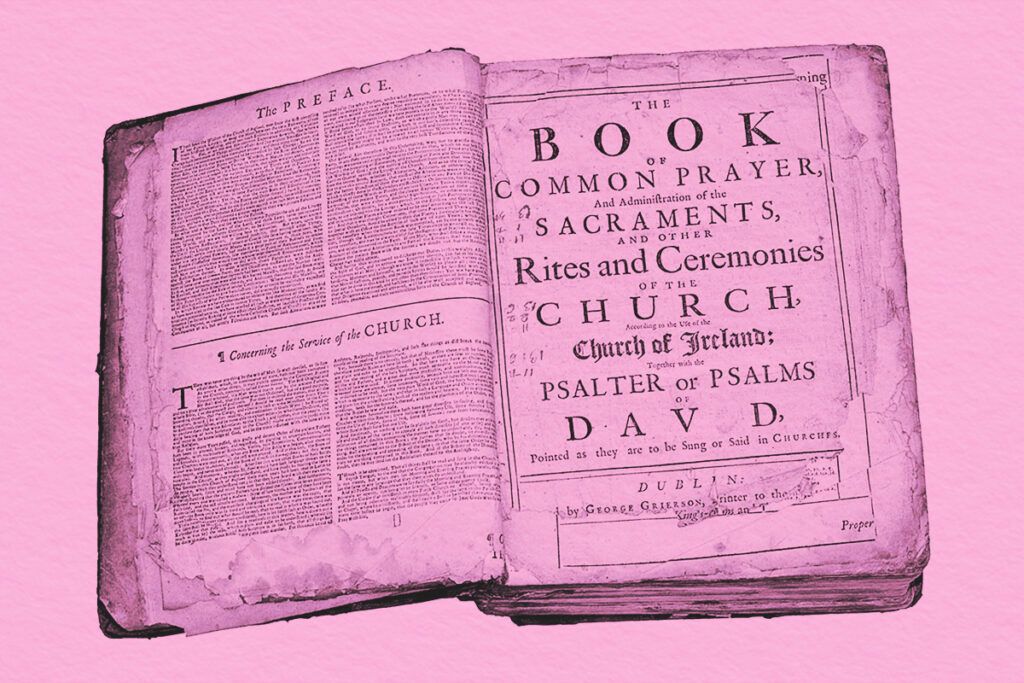
In medieval illuminated manuscripts, significant dates were highlighted in red. Then the widely used Book of Common Prayer, published in 1549, included a calendar showing the holy days in red. Each red-letter day was originally a feast day or a celebration of a saint, but that term, too, has lost its religious significance.
Now the idiom “red-letter day” refers to any happy, special, memorable, or important day, with no recognition of saints. Graduating from college, closing on a house, starting a new business, and celebrating a milestone birthday might all be called red-letter days.
More from our network
Word Smarts is part of Inbox Studio, which publishes content that uplifts, informs, and inspires.