








Etymology is a fascinating field — it’s a branch of linguistics concerned with tracing the development of a word from the earliest recorded instance and following a word’s transmission from one language to another. For example, the etymology of the word “magazine” is that it comes from the Arabic “makhazin,” meaning “storehouse,” and it entered into English in the 15th century. Today, the word is used both for ammunition storage and for your glossy periodicals, as a storehouse of information.
An etymologist is a person who conducts the research and documentation of etymology. They use historical records and other reference materials to accurately trace the origin and evolution of words and phrases. Sometimes, however, a story about the origin of a word spreads without the careful research of an etymologist. If a story sounds plausible, it can circulate and gain traction, even if it’s somewhat fanciful. These made-up — yet still widely distributed — stories about the origins of certain words and idioms are called folk etymologies, akin to folklore. Here are some examples.
The folk etymology of “posh” is that it’s an acronym for “port out, starboard home,” denoting the cooler (in terms of temperature) side of ships traveling from England to India and back in the 1800s. Those cabins were more expensive, so “POSH” was supposedly stamped on the tickets of first-class passengers. From there, “posh” came to mean “elegant.”
It’s a great story, but no known evidence supports it. The more likely origin story, which is not nearly as enticing, is that “posh” was a 19th-century British slang word meaning “money,” and referring more specifically to a halfpenny. The source of the slang is Romani, the language of people who had migrated to England from South Asia. That Romani word, posh-hórri, means “halfpenny.”
In British slang of the same period, “posh” also referred to a dandy, a man unduly devoted to fashion. This usage may have reinforced the sophisticated meaning of “posh,” but it has nothing to do with an acronym.
Mary, Queen of Scots, reportedly suffered from seasickness. After one sea voyage crossing the English Channel, she arrived in Dundee, where French was spoken, and was served a tasty quince dessert to make her feel better. Accordingly, this dessert was dubbed Marie est malade, meaning “Mary is sick.”
Don’t believe that story. The word “marmalade,” for a sweetened jelly containing fruit and fruit rind, joined the lexicon in the 1500s with reference to a preserve made from quince purée. The Portuguese marmelada is a derivative of marmelo, meaning “quince.” The real story has nothing to do with Mary, Queen of Scots.

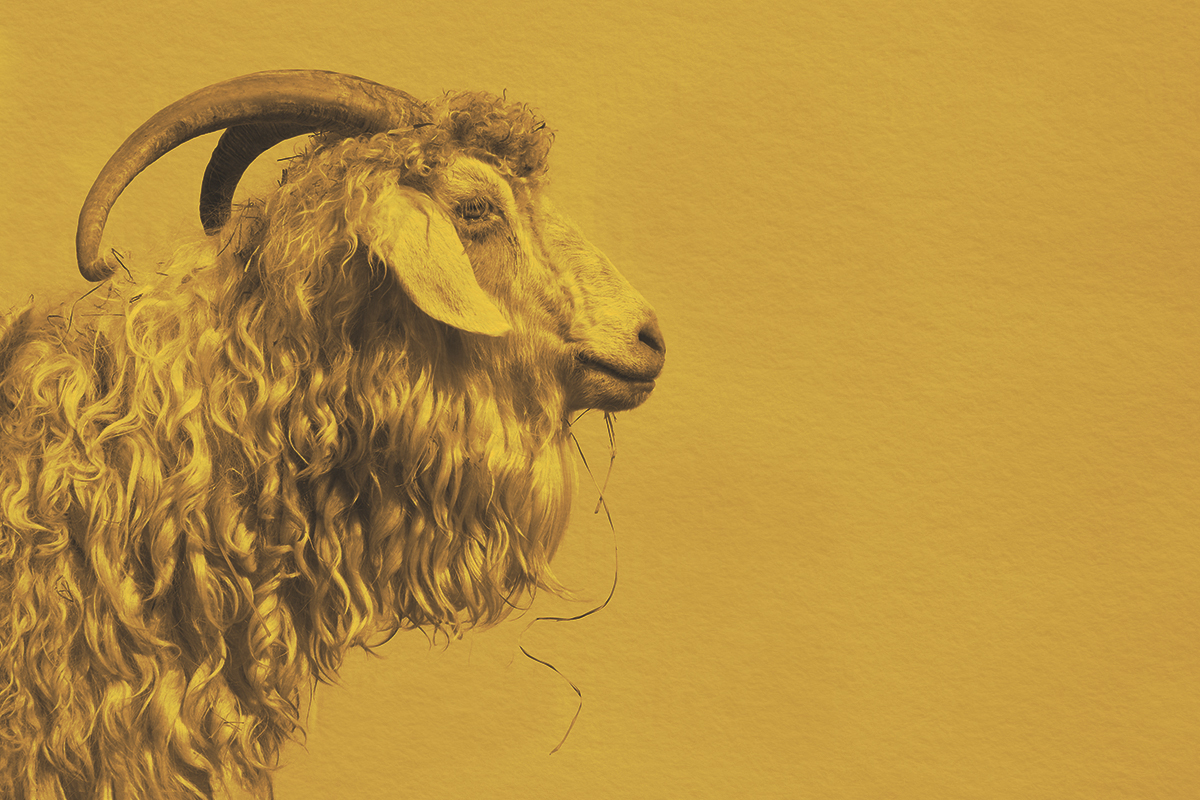
During Napoleon’s German campaigns, he disliked the local dark rye bread so much that he declared it “pain pour Nicol,” bread only suitable for his horse, Nicol.
Again, a good story, but a folk etymology. “Pumpernickel” actually derives from the German pumpern, meaning “to break wind,” and Nickel, meaning “goblin.” Centuries ago, this bread was made from very coarsely ground rye berries and could cause flatulence. (Perhaps the sounds were blamed on a goblin.) The issue has since been resolved as today’s pumpernickel bread is made with more refined flour.
More from our network
Word Smarts is part of Inbox Studio, which publishes content that uplifts, informs, and inspires.





