




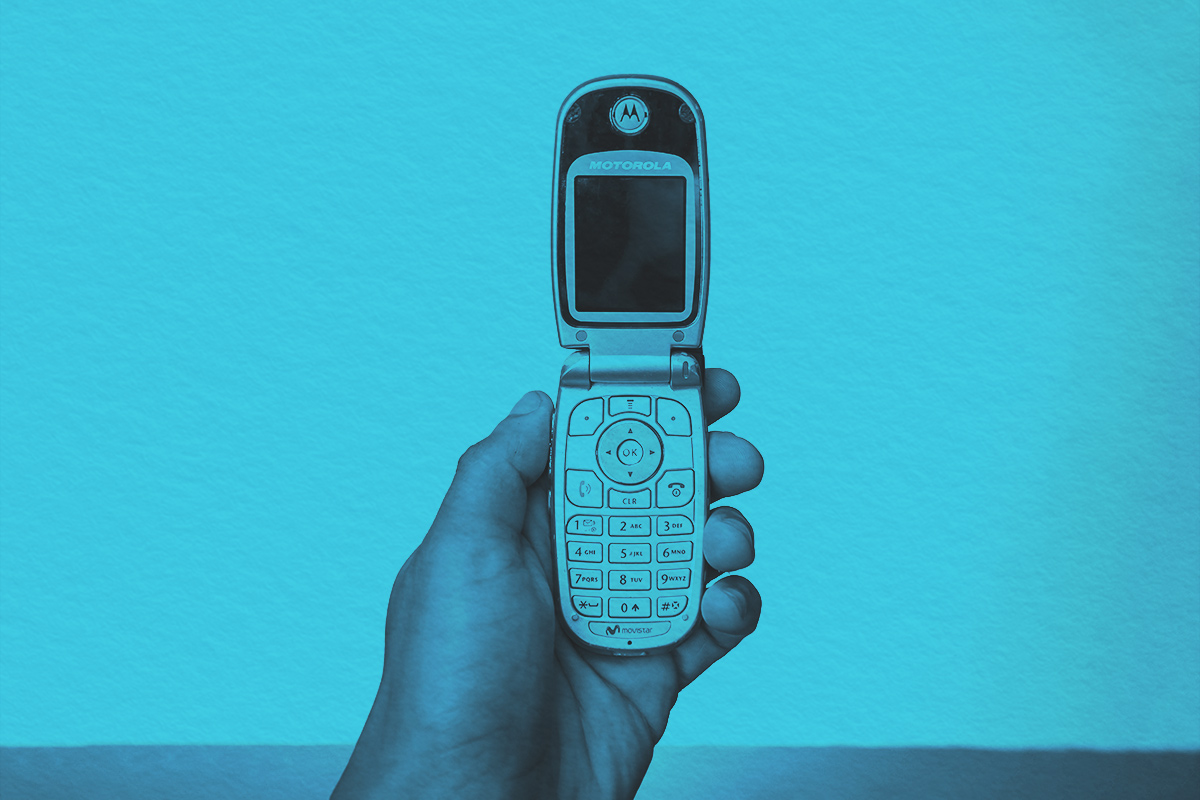
Cellphones are a big part of modern society’s makeup, and it would be hard for many of us to imagine going through life without one. But the term “cellphone” has nothing to do with biology or the cells that comprise all living things. Instead, the roots of the term can be traced back to the advent of early cellular networks and how they functioned.
The word “cellular” has been associated with biology since the early 18th century, but in the 1970s it came to describe a burgeoning technology. That decade saw the launch of cellular networks — radiotelephone systems subdivided into small sections called cells. These cells were geographic regions serviced by a transmitter with limited range. They were called cells because if you looked at a map, each network cell resembled a biological cell under a microscope.
These cellular networks helped make the concept of mobile phone communication a real possibility. In fact, the first mobile phone call occurred in 1973. Ten years later, mobile phones were marketed to the public for the first time, and the devices were called “cellphones” because they relied on cellular networks in order to function.

While cellular networks have evolved over the last five decades, they’re still divided into these cell-shaped regions. Furthermore, mobile phones still require these networks to operate, so the term “cellphone” remains as true and relevant as ever.
More from our network
Word Smarts is part of Inbox Studio, which publishes content that uplifts, informs, and inspires.