Weather reports with forecasts of snow will tell you when and where the precipitation is likely to land and give an estimate of how much will accumulate, but there are more words in the lexicon for the type of snow you can expect. It might be a snowstorm, a snow squall, snow flurries, sleet, graupel (granular snow), a whiteout, or a blizzard. Some of these terms are more obvious than others, but “blizzard” stands out for its unique spelling. Why do we call a certain type of snowstorm a blizzard, and where did the word come from?
According to the National Weather Service, the definition of “blizzard” is “a storm containing large amounts of snow or blowing snow, with winds in excess of 35 miles an hour and visibility of less than a quarter mile for at least three hours.” The word “blizzard” entered the lexicon before this technical meaning was developed — as early as 1859 — but it didn’t come into general use until the hard winter of 1880 to 1881.
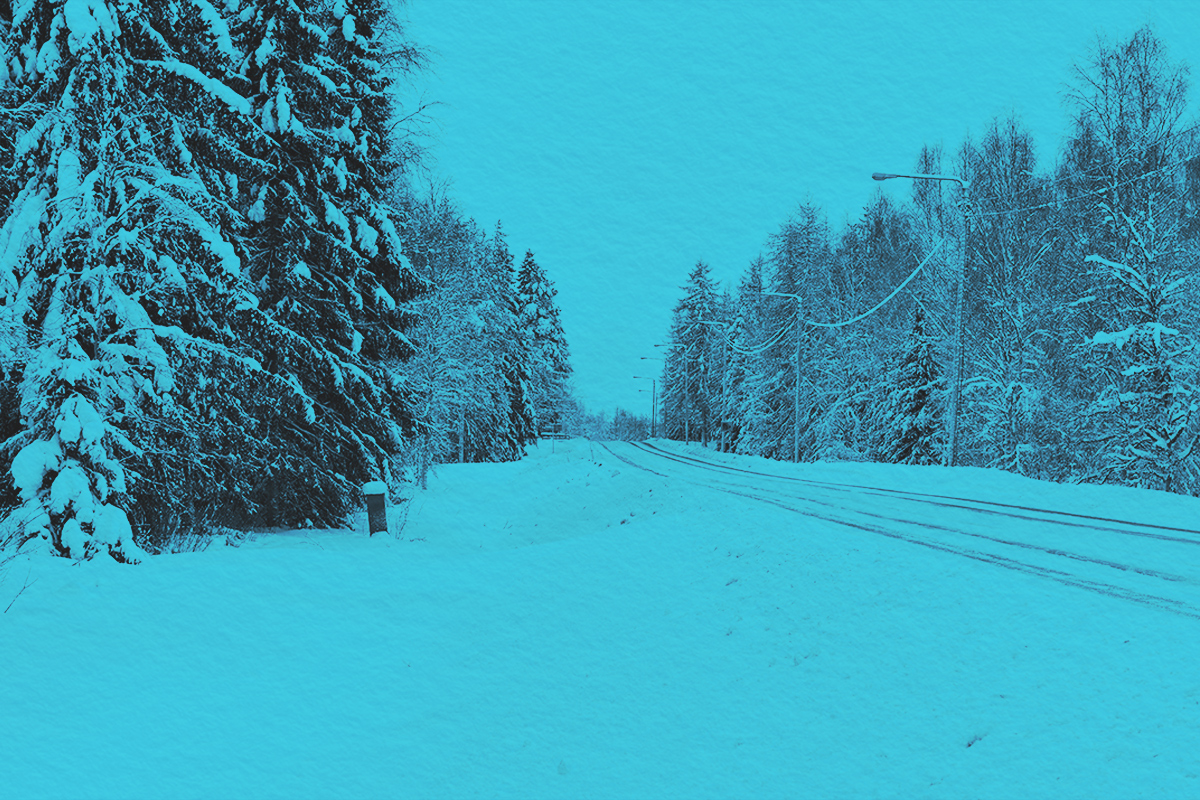
Beginning with an unusually early mid-October blast, blizzard after blizzard slammed the Midwest, unrelenting through April 1881. Due to extreme cold during that period, the snow hardly melted. The accumulation was so deep that snow covered single-story buildings, and farmers had to dig tunnels to get to their barns to care for their livestock.
Trains stopped running to the Midwest, stranding many communities. Locals were required to use their already low food supplies, and fuel was scarce, hardly enough to get through the repeated blizzards. A February blizzard brought Omaha to a standstill for days. While fictional, the children’s classic The Long Winter by Laura Ingalls Wilder provides an accurate depiction of what those months were like for Midwesterners.
Two newspaper citations from 1881 reveal that “blizzard” was then a relatively new word: “The region is swept by those fearful blasts known as ‘blizzards’ which send … dry snow whirling in icy clouds.” Another: “The hard weather has called into use a word that promises to become a natural Americanism, namely ‘blizzard.’ It designates a storm (of snow and wind) which men cannot resist away from shelter.”
Note the quotes around the word “blizzard,” signifying that, as of 1881, it was a relatively new term. This is just one example of how language development is sometimes influenced by historical events. There are no clear etymological ties to a foreign language root, but the word “blizzard” is likely onomatopoetic. It’s based on the fierce sound of that wintery blast. Say it aloud, and you’ll get the idea.
More from our network
Word Smarts is part of Inbox Studio, which publishes content that uplifts, informs, and inspires.